1888 – William Dorsey Swann, an African American man born into slavery, the first known person to self-identify as “queen of drag”, and a group of men are detained in the earliest recorded arrests for female impersonation in the United States at Swann’s 30th birthday party. Swann resisted arrest, fought the charges but was convicted and unsuccessfully sought a presidential pardon making it one of the earliest attempts to stand up for gay rights
1890 – The term, Lesbian, first used in a medical dictionary.
1892 – The pamphlet, “Psychopathia Sexualis” was translated from German and one of the first times the term bisexual was used. Written by Richard van Kraft-Ebbing. Translated by Charles Gilbert Chaddock.
1895 – The Cercle Hermaphroditos, founded in NYC, was the first known informal transgender advocacy organization in the United States.
1903 – The Ariston Bathhouse raid takes place in New York City, which became the first recorded police raid against an LGBT venue in US history. As a result of the incursion, 26 men were arrested and 12 of them were prosecuted on sodomy charges.
1907 – Gertrude Stein meets Alice B. Toklas, sparking a legendary romance. In Paris, the two women set up a salon that connects many great writers and artists, including gays. Stein publicly declares her love for Toklas in print in The Autobiography of Alice B. Toklas, published in 1933.
1910-Pauli Murray – Born Anna Pauline Murray, Pauli as they preferred to be called was an African-American civil rights and women’s rights activist, attorney, professor and later in life, Episcopal priest. Pauli had several long-term relationships with women and preferred to dress in more male associated clothing and is considered by some scholars to have been transgender male or gender fluid. Pauli broke barriers in Black women’s higher education, including being the first African-American to receive a Doctor of Juridical Science from Yale Law School. Pauli made significant contributions to legal cases in the areas of civil rights and women’s rights. Pauli was a co-founder of the National Organization for Women and authored a book considered the “bible” of the civil rights movement, among many other trailblazing accomplishments.
1917-1935 – The Harlem Renaissance. Historians have stated that the renaissance was “as gay as it was black.” Some of the lesbian, gay or bisexual people of this movement included writers and poets such as Langston Hughes, Countee Cullen and Zora Neale Hurston; Professor Alain Locke; music critic and photographer Carl Van Vechten, and entertainers Ma Rainey, Bessie Smith, Ethel Waters and Gladys Bentley.
1924 – The Society for Human Rights, the first gay rights organization, was founded by Henry Gerber in Chicago who had emigrated from Germany. The organization ceased to exist after most of its members were arrested.
1928 – Radclyffe Hall, an English author, published what many consider a groundbreaking lesbian novel, The Well of Loneliness. This caused the topic of homosexuality to be a topic of public conversation in both the United States and England.
1934 – The Motion Picture Association starts enforcing the Hays Code, which in practice banned the representation of explicit LGBT characters onscreen, except for those who were depicted as villains or criminals.
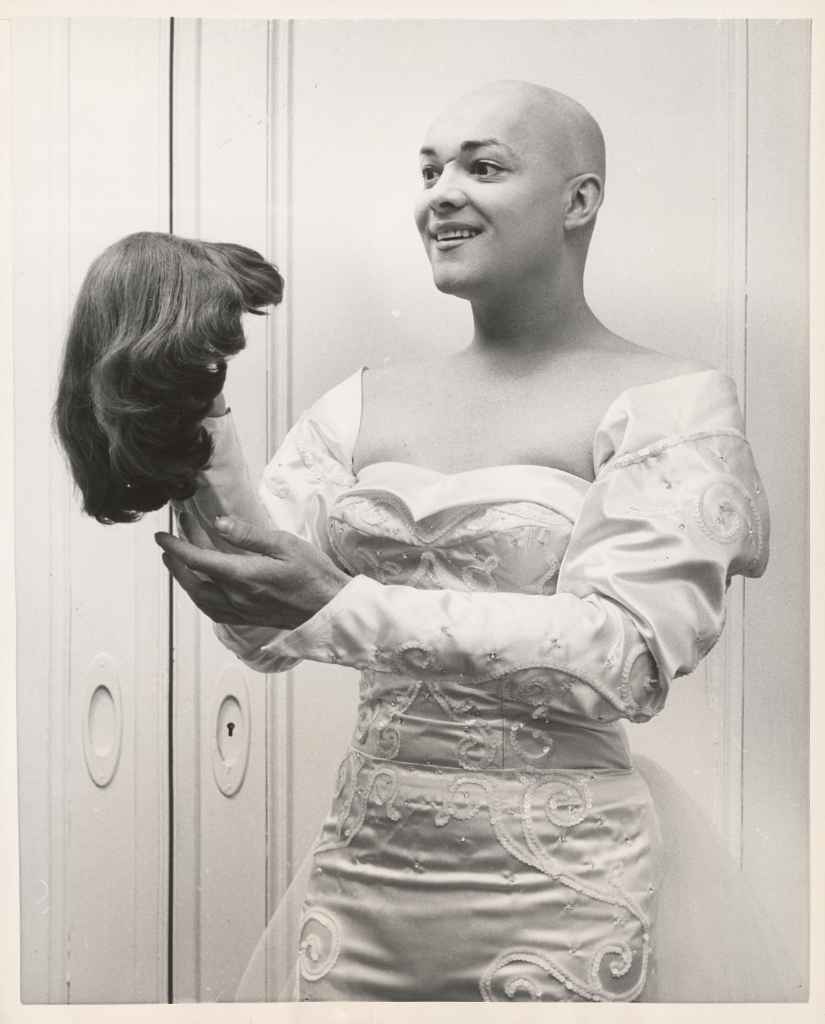
1939 – The Jewel Box Revue was established in 1939 in Miami by a gay male couple, Danny Brown and Doc Brenner. It was the first racially integrated drag revue in America. It later moved to New York and created a touring company that traveled to theaters and night club venues all across America. In the 1960s, Storme DeLarverie served as MC of the troupe, the only lesbian in an all gay male cast, and considered instrumental in sparking the Stonewall riots. T. C. Jones, a native of Scranton, PA, became a star performer in the Revue leading to one of the earliest cross-over careers of a drag entertainer in stage theater, television, movies and music.
1941 – Following the bombing of Pearl Harbor, all U.S. citizens participated in the war effort and enlistments occurred at the rate of 14,000 per day in 1942. Gay and lesbian people joined as well – men in the military living in same-sex dorms, and women as part of the Women Accepted for Volunteer Emergency Service (WAVES) and in factories on the home front found themselves in same-sex surroundings as well. In addition, men who fought in Europe, during their leave time, found same-sex relationships more relaxed than in the U.S.
1944-1945 – As the war came to an end, U.S., British and Soviet forces liberated people held in Nazi concentration camps in Germany.
1945 – German Homosexual men, designated by a pink triangle on their clothing, were the last group to be released from the Nazi concentration camps after liberation by the Allied forces because Paragraph 175 of the German Criminal Code stated that homosexual relations between males to be illegal. Nearly 100,000 homosexual men were rounded up and taken to the concentration camps during the war.